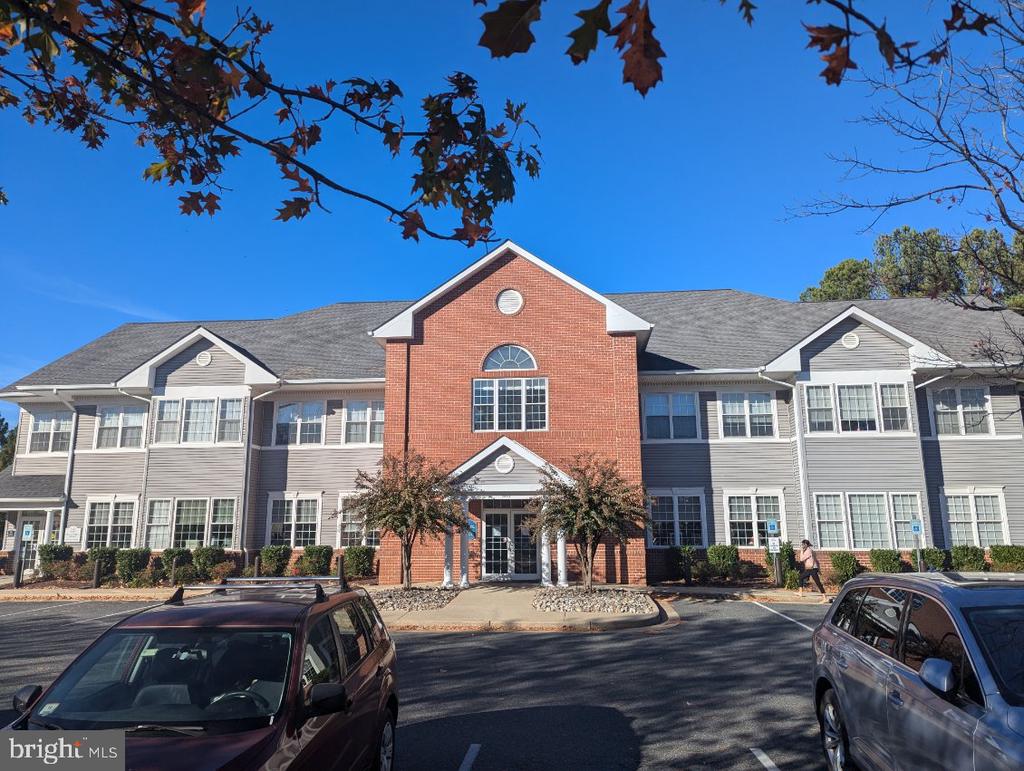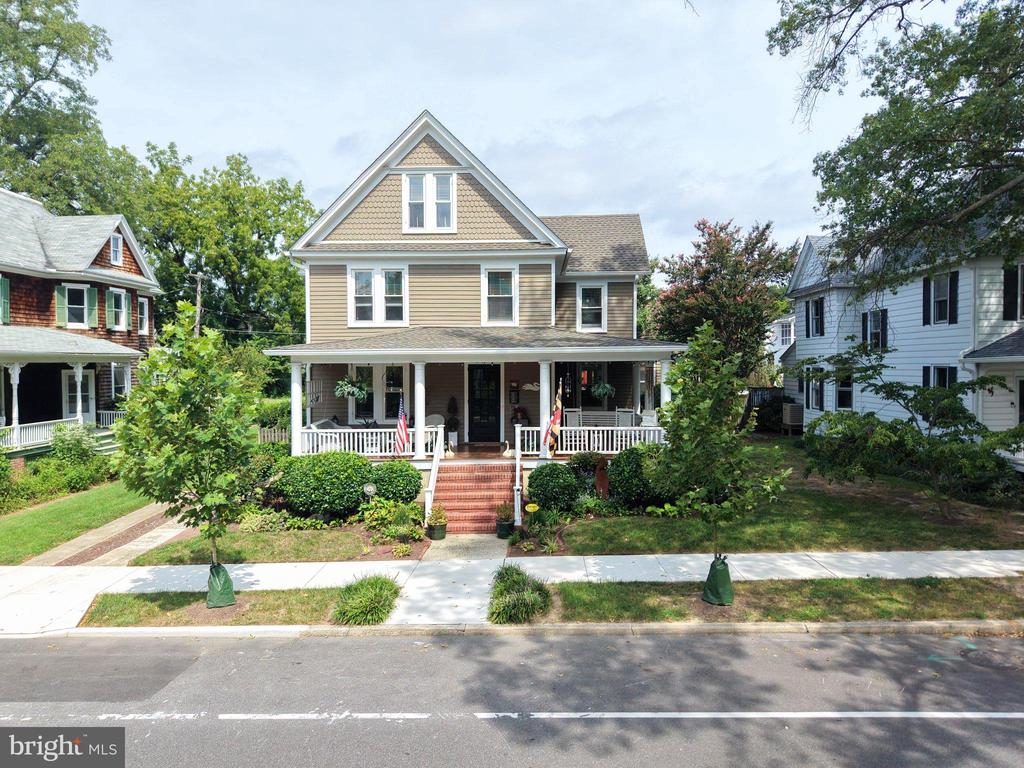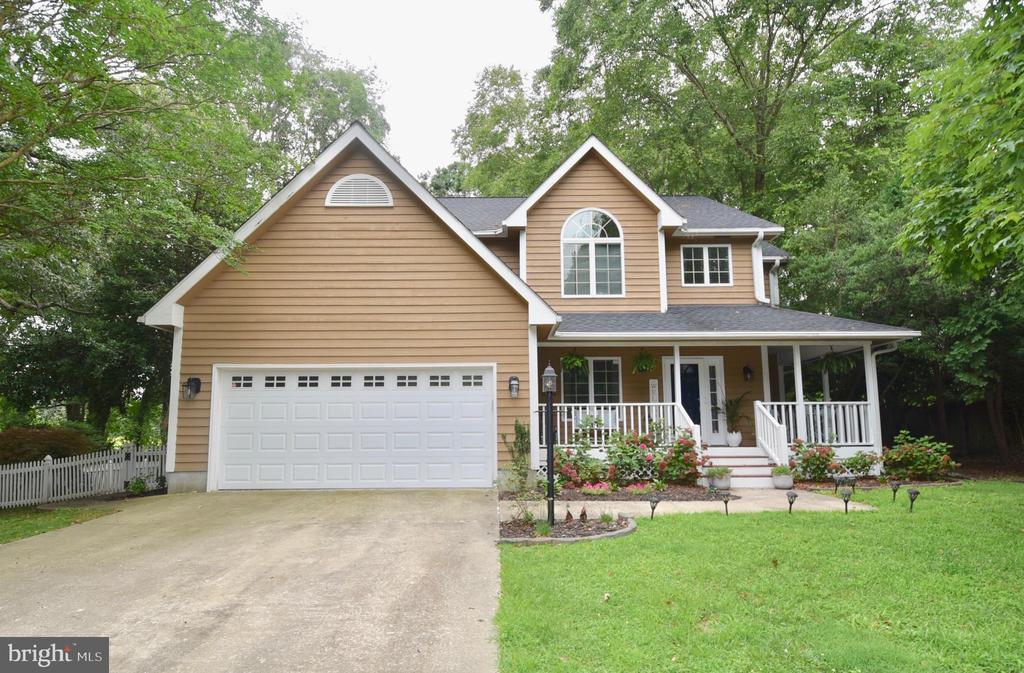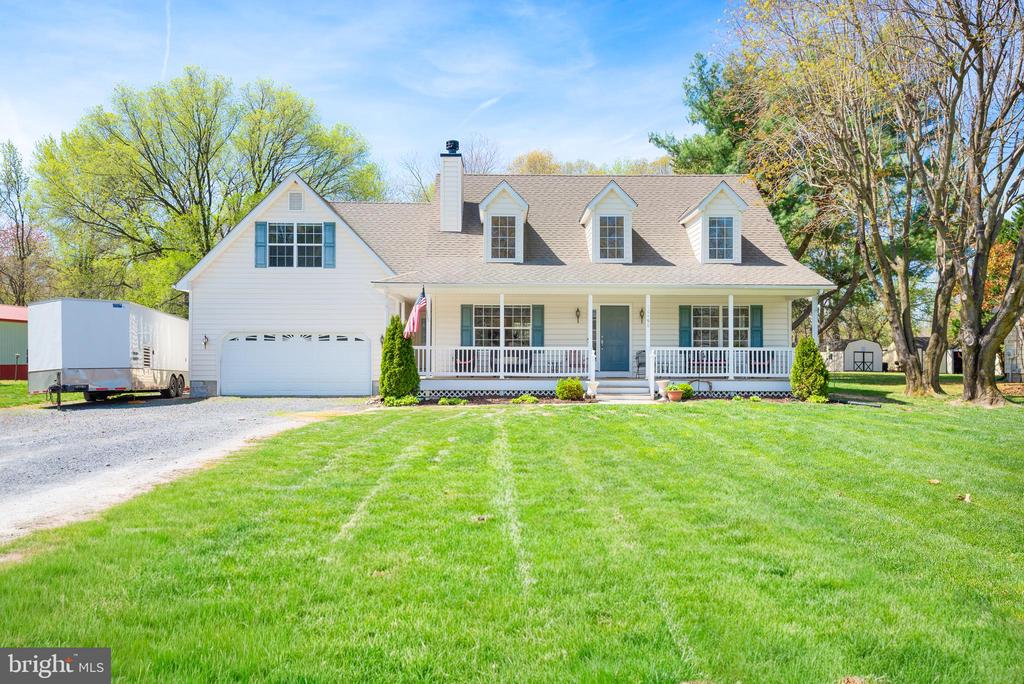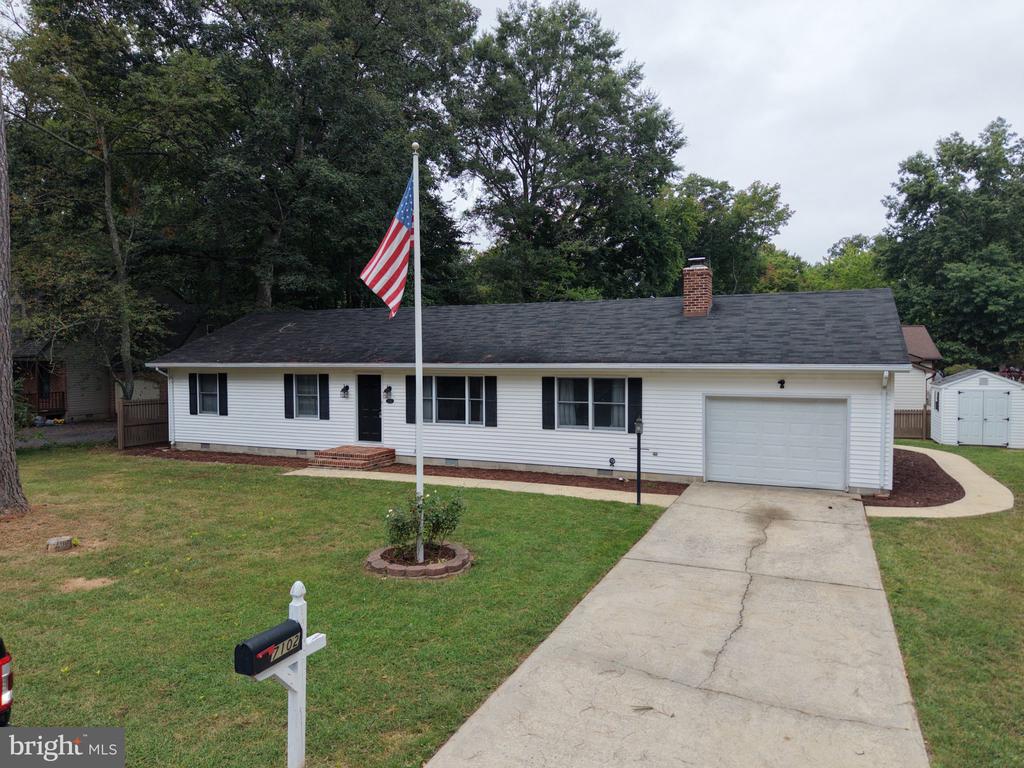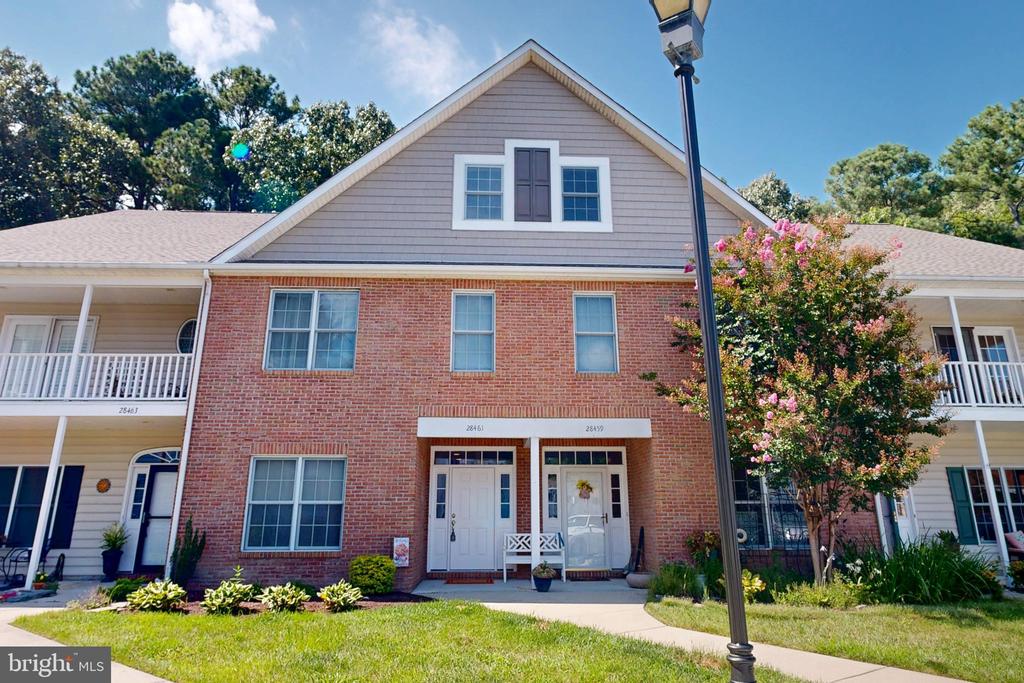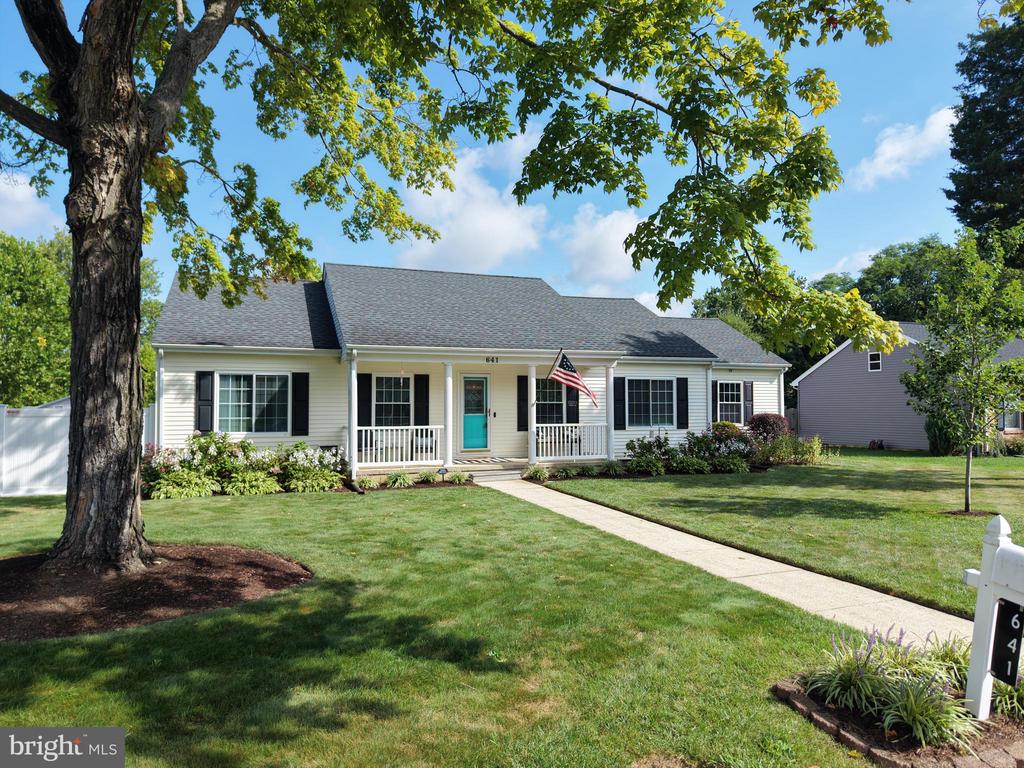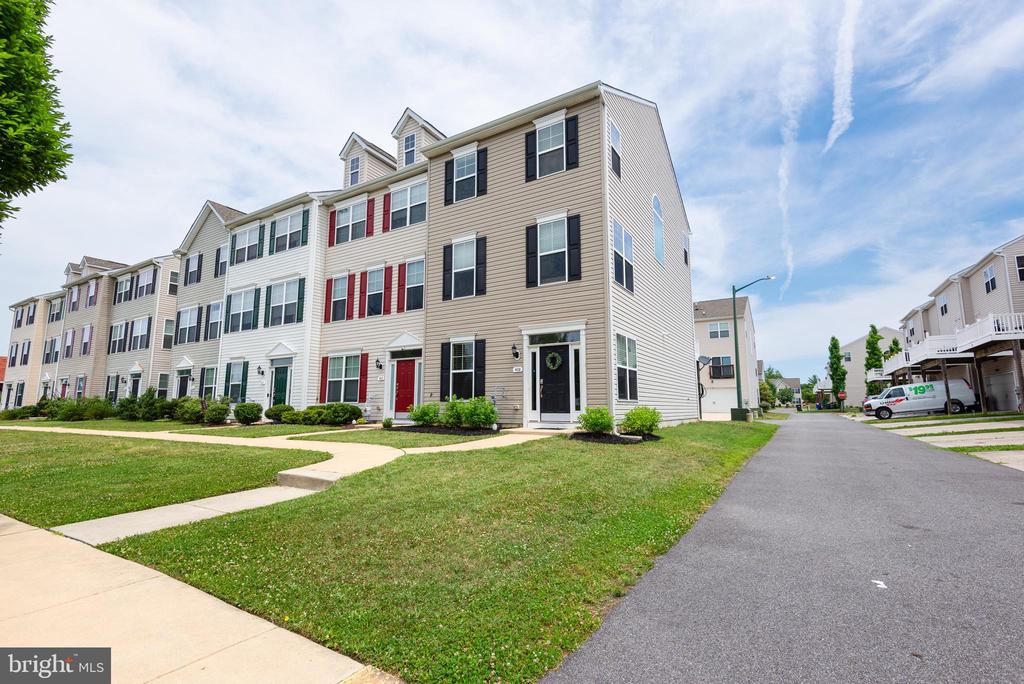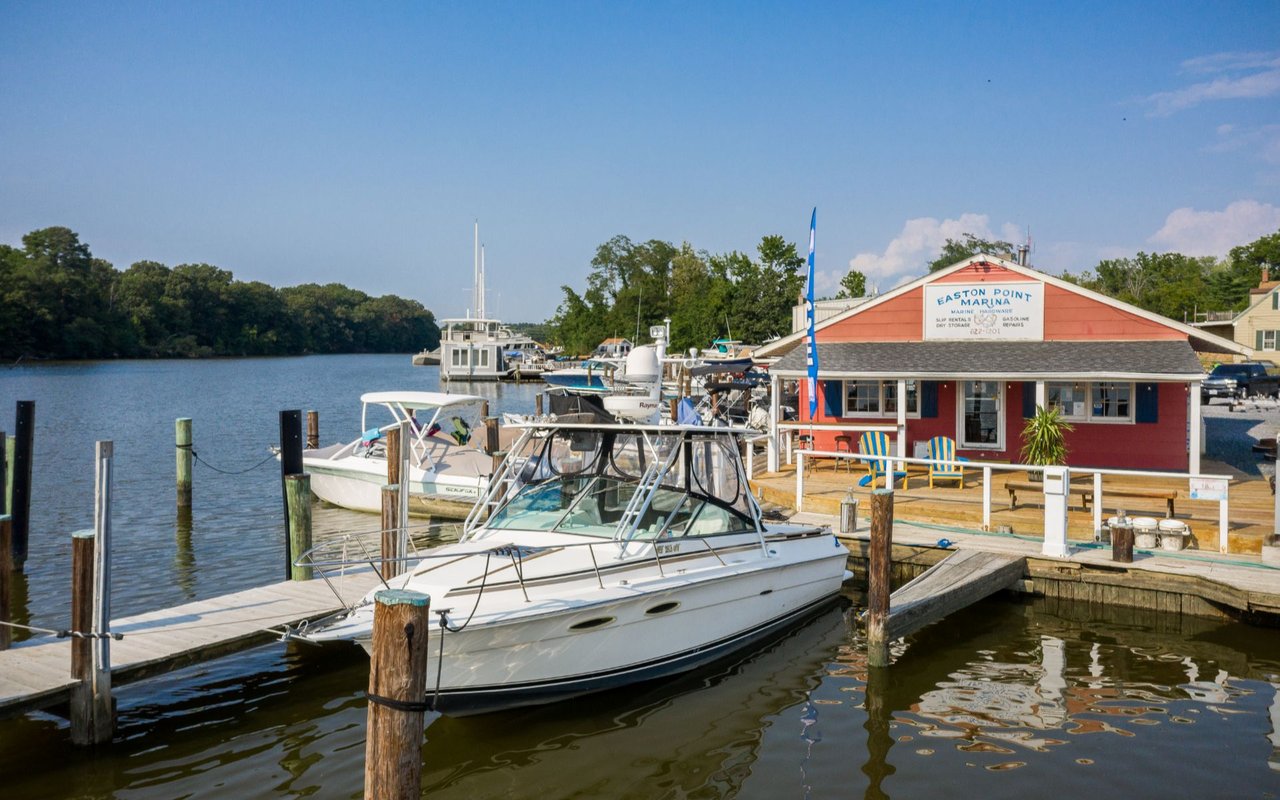
Welcome to
24,095 people live in Easton, where the median age is 49.3 and the average individual income is $51,651. Data provided by the U.S. Census Bureau.
Total Population
Median Age
Population Density
Average individual Income
Easton is the kind of place that surprises people who expect a sleepy Eastern Shore town and instead find a small city with a genuine cultural pulse. As the county seat and commercial heart of Talbot County, it pairs brick-lined sidewalks and 19th-century architecture with a downtown built around landmarks like the Tidewater Inn and the Avalon Theatre. The result is a community that feels historic without feeling frozen, and sophisticated without losing its small-town rhythm.
The buyers who gravitate here tend to fall into a few camps. Retirees and active adults come for the quality of life, the access to regional healthcare through Shore Regional Health, and the growing number of low-maintenance 55+ communities. Remote workers and relocators from the Washington and Baltimore metros are drawn by the slower pace, lower density, and water access, all roughly ninety minutes from the capital. And second-home buyers and boating enthusiasts treat Easton as a launch point to the Eastern Shore's tidal rivers and creeks. What ties them together is a shared appetite for a place that offers both retreat and real amenities.
The Easton market has been settling into a more balanced posture after several years of steep post-pandemic appreciation. Buyers have regained some leverage, though the most desirable inventory—restored downtown historic homes and prime waterfront—still moves on its own terms and holds strong interest regardless of where the broader market sits.
On pace, homes here typically take somewhere in the range of 45 to 60 days to sell. Turnkey properties in walkable downtown locations or established active-adult communities tend to go faster, while unique country estates and anything priced ahead of the market can sit considerably longer as buyers shop with more patience than they had a few years ago. Competition is best described as moderate: inventory has loosened compared to the tightest pandemic-era months, but total active supply across Talbot County remains structurally limited. Homes generally close around 97 to 98 percent of their original list price, which gives buyers meaningful room to negotiate on repairs or closing help without expecting deep discounts.
Pricing spans a wide range because Easton contains several distinct submarkets under one name. Smaller starter homes, older townhomes, and attached units generally run from about $250,000 to $380,000. The broad middle of the market—established single-family neighborhoods, newer suburban builds, and 55+ developments—sits roughly between $400,000 and $650,000, with the citywide median landing in the low-to-mid $400,000s. At the top, restored historic homes downtown and waterfront estates along the Tred Avon and Miles River tributaries commonly range from $750,000 well past $2.5 million.
The trajectory over the past several years tells a fairly clear story. After a stretch of rapid appreciation driven largely by out-of-area relocation, prices have stabilized rather than retreated. Median sale prices currently hover around $400,000 to $430,000, while median list prices sit closer to $490,000 to $520,000—a gap that reflects the market's unusually wide mix of modest attached homes and high-end historic and waterfront listings rather than any single "typical" house.
The clearest shift has been in pace and negotiation. Days on market have stretched from the sub-30-day frenzy of the peak years to an average closer to 50 to 85 days, and the return to sale-to-list ratios in the 97 to 98 percent range has handed buyers back the ability to negotiate contingencies, repairs, and occasional price reductions. Looking forward, the fundamentals underneath Easton values are unusually durable. Talbot County's strict growth controls and agricultural land preservation limit sprawl and keep supply constrained by design, while steady demand from mid-Atlantic retirees and remote workers provides a structural floor. That combination tends to favor gradual, defensible appreciation over volatility.
New construction plays an important role in Easton precisely because so much of the existing housing stock is old. With municipal growth boundaries governing where development can happen, new homes cluster in designated master-planned communities, 55+ enclaves, and a handful of infill lots downtown rather than spreading across the landscape.
A few builders and developments define the current landscape. K. Hovnanian's Four Seasons at Easton is the marquee 55+ resort-style community, offering low-maintenance single-family plans from roughly 1,380 to 3,500-plus square feet, generally priced from the upper $300,000s into the $600,000s. D.R. Horton's Gannon Range appeals to first-time buyers and growing families, with three-to-five-bedroom layouts between about $420,000 and $530,000. At the higher end, Koch Homes and various custom builders working in areas like Cooke's Hope deliver traditional Eastern Shore architecture and upscale finishes starting around $650,000 and climbing into the multi-millions for custom waterfront builds.
Buyers considering new construction here should expect a few recurring themes. National builders, facing more inventory than they had a couple of years ago, frequently offer rate buy-downs, closing-cost credits, or upgrade packages. A large share of new plans prioritize main-level primary bedrooms or single-story living to serve the strong active-adult demand. And most new communities come with homeowner associations handling common areas and amenities, plus connection to city water and sewer—a meaningful contrast to outlying rural properties that rely on private wells and septic systems.
For investors, Easton offers a steadier-than-flashy profile: modest headline yields backed by low risk, reliable tenants, and supply constraints that protect long-term value. The regional economy, anchored by healthcare and tourism, keeps demand consistent.
The long-term rental market is genuinely tight, supported by hospital staff at UM Shore Regional Health, municipal workers, and service-industry employees. Single-family homes and townhomes typically command $1,800 to $2,800 per month, while higher-end or furnished executive rentals near downtown reach $3,000 to $4,000 and up. Gross yields generally land in the 5 to 7 percent range. Cap rates are more modest than in tertiary urban markets, but low turnover, high tenant quality, and dependable appreciation offset that trade-off.
Short-term rentals require more caution. Talbot County enforces strict rules—licensing caps, primary-residency requirements, and setback provisions—so investors chasing vacation-rental income should focus on properties inside Easton's municipal limits where the rules are clearly defined, or pivot toward 30-day-plus mid-term rentals serving traveling medical professionals and relocating executives. There's also an active fix-and-flip niche: investors acquire 1950s–1970s ranchers or unrenovated downtown brick homes in the $200,000 to $300,000 range and modernize them toward resale in the $450,000 to $600,000-plus range. The one caveat worth internalizing is that anything in the designated Historic District requires Historic District Commission approval for exterior work, which is why interior-focused renovations and non-historic properties tend to flip faster.
The purchase process in Easton has become noticeably more buyer-friendly, and understanding the local texture of it matters more than in a generic suburban market. Multi-offer bidding wars are far less common than they were a few years ago, which means buyers generally have time to do proper due diligence rather than waiving protections to win. Most homes close somewhere in the range of 1 to 3 percent below original asking after 50 to 80 days on market.
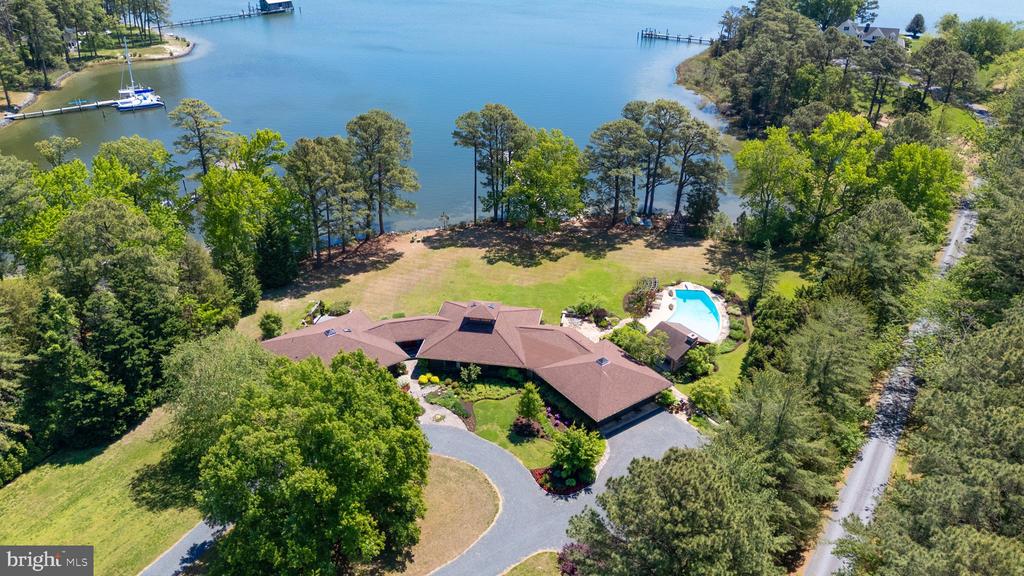
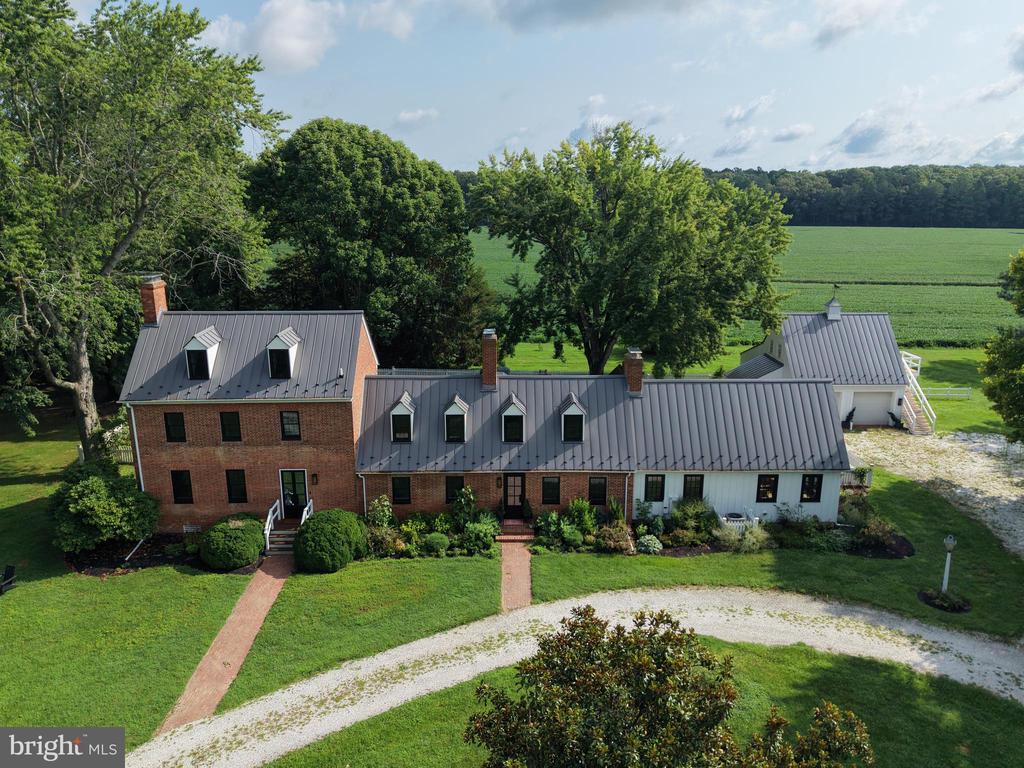
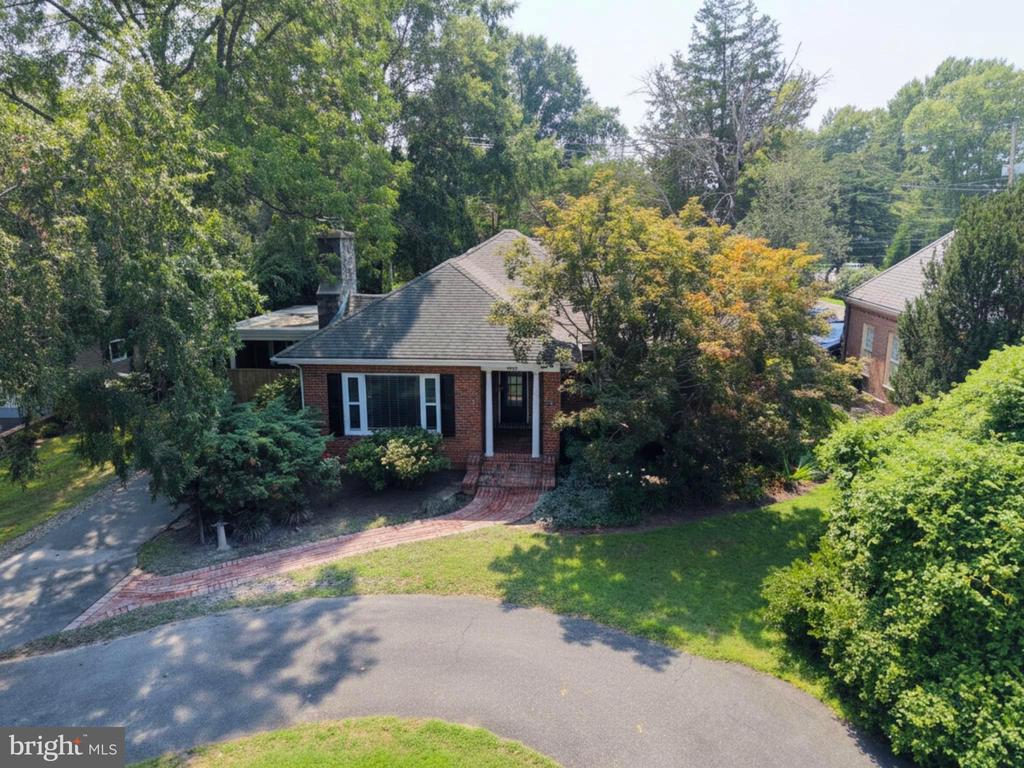
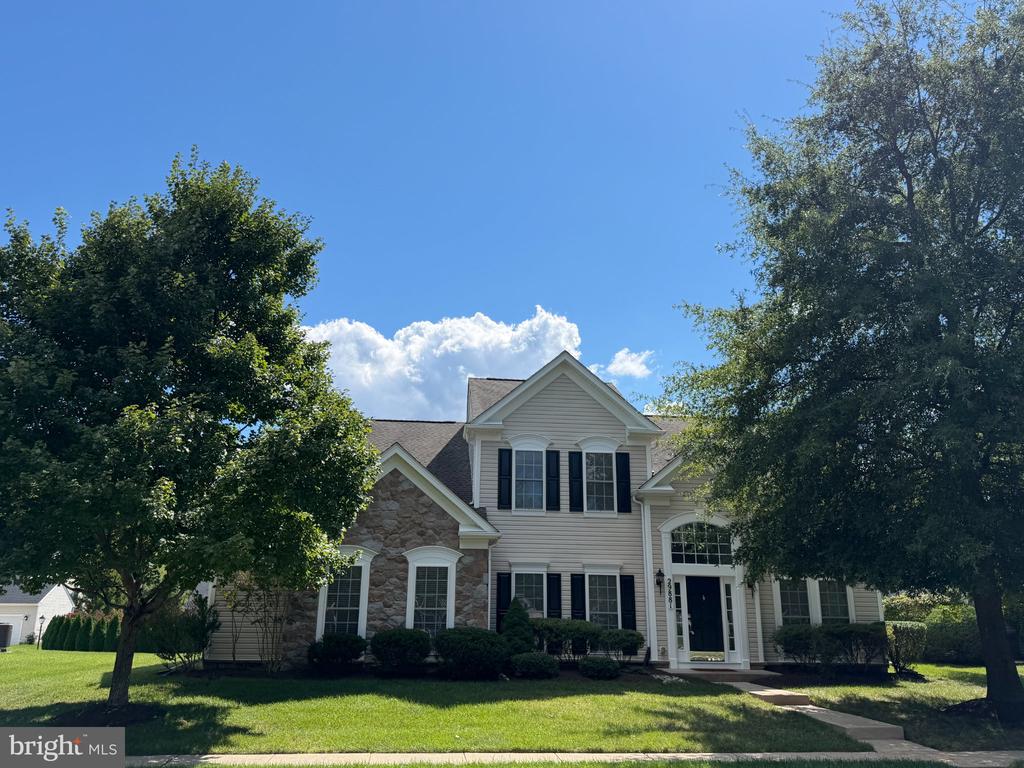
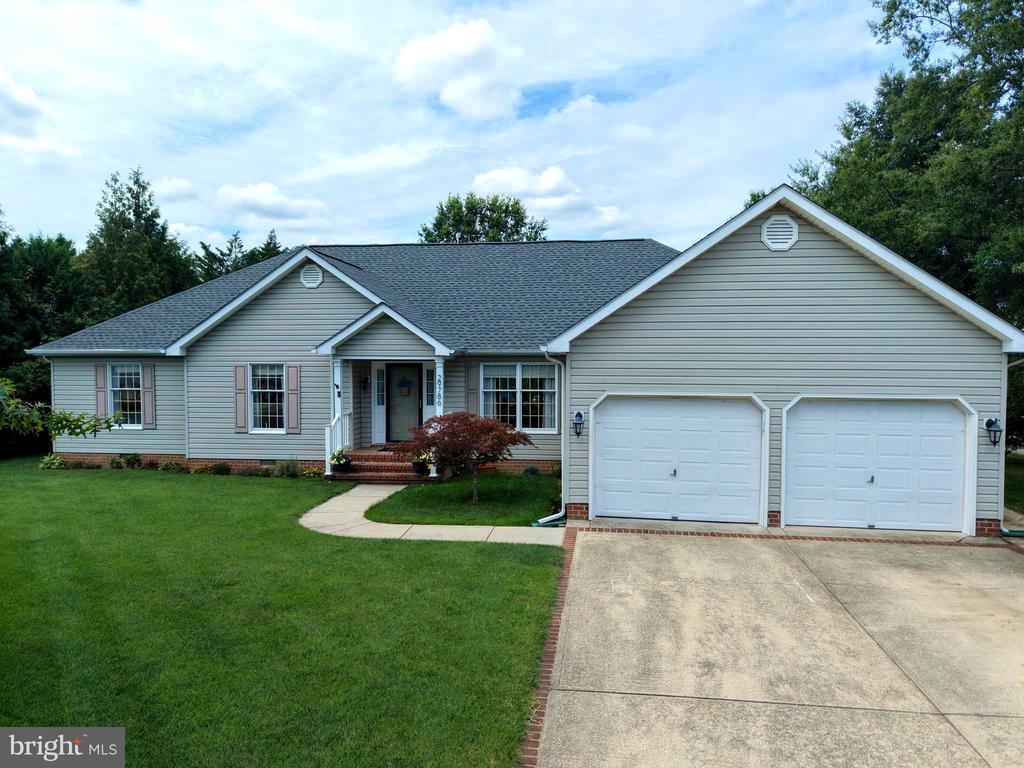
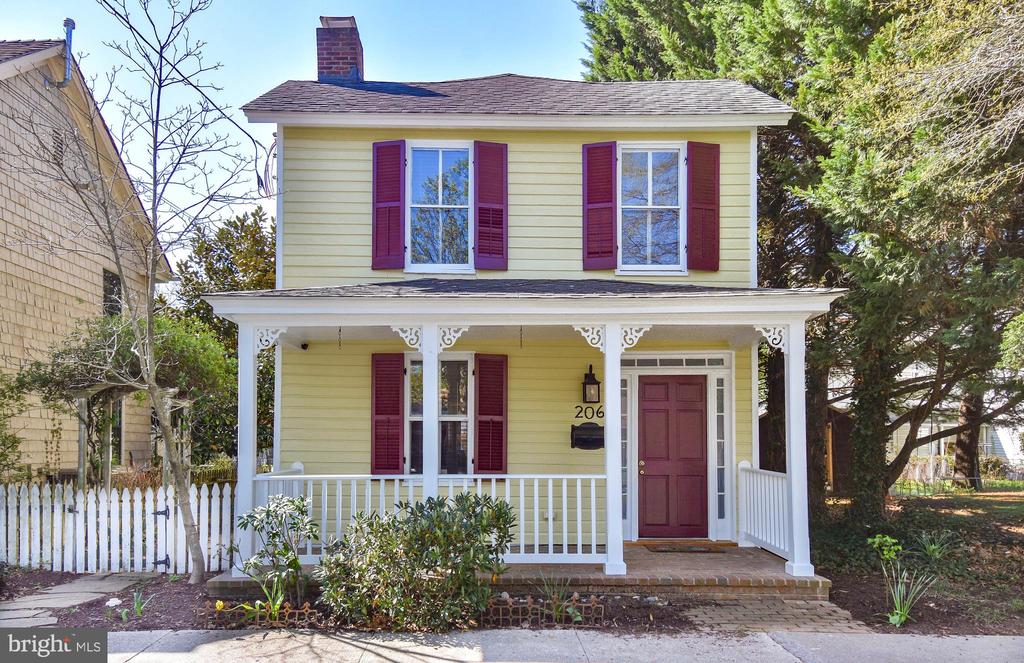
The housing itself falls into four broad types, and which one you're buying shapes everything about the transaction. There are historic and infill single-family homes—late-19th to early-20th-century Victorians, Colonials, and Craftsmans within walking distance of Washington and Harrison Streets. There are planned suburban developments of two-story and ranch-style homes built between roughly 1980 and 2010. There are master-planned and 55+ communities offering low-maintenance villas and townhomes with amenities bundled into HOA fees. And there are waterfront and country estates on larger lots along the Tred Avon and Miles River systems, often with private docks and bulkheads.
Because leverage has shifted, contracts here now routinely carry full standard protections. Expect 7-to-10-day inspection windows, frequently supplemented on the Eastern Shore with specialized checks for crawlspace moisture, radon, and wood-destroying insects. Homes just outside town limits require well and septic addenda, typically including a satisfactory BAT septic inspection and a drinking-water test before closing. Maryland law grants a mandatory 10-day right of rescission on HOA and condo resale documents, and sellers expect standard 21-to-30-day financing and appraisal contingencies. None of this is exotic, but knowing it's normal here keeps buyers from feeling pressured to strip protections they're entitled to.
A handful of local realities separate a smooth Easton purchase from a frustrating one, and they mostly come down to geography and history.
First, verify Historic District restrictions early if you're eyeing anything near Washington, Harrison, or Dover Streets. Exterior changes—windows, paint colors, roofing, fencing—require review and a Certificate of Appropriateness from the Historic District Commission. If you have renovation plans, request the historic guidelines during your contingency period rather than assuming after closing.
Second, understand the utility boundary between town and outlying county. Homes inside municipal limits are served by Easton Utilities, a locally owned provider covering electric, water, wastewater, natural gas, and gigabit fiber—a real draw for remote workers. Step just outside those limits and you're on private well, septic, and propane, which is why a BAT septic inspection and water-quality test become non-negotiable for county properties.
Third, evaluate flood risk beyond the standard lender check. Central Easton sits on higher ground than low-lying towns like Tilghman or St. Michaels, but properties near the Tred Avon, Easton Point, and tidal creeks still see nuisance flooding and high-tide backups. Consult the FEMA Flood Map Service Center and the NOAA Sea Level Rise Viewer, ask the seller for an elevation certificate if one exists, and get flood-insurance quotes during your inspection window rather than after.
Finally, inspect crawlspaces carefully. The high water table and humid climate make unencapsulated crawlspaces prone to mold, rot, and termite activity, so it's worth hiring an inspector who knows coastal Maryland homes and budgeting for encapsulation or a commercial dehumidifier on older properties.
For buyers coming from out of town, Easton's appeal is that it delivers rural waterfront character without asking you to give up everyday convenience. It's a year-round working community of roughly 17,000 people—the commercial and civic anchor of Talbot County—rather than a seasonal resort that empties out after Labor Day.
Daily life orbits the downtown core along Washington and Harrison Streets, with its boutiques, galleries, restaurants, and the Avalon Theatre. Easton isn't directly on the Chesapeake Bay, but it's bordered by the Tred Avon River, and public marinas at Easton Point give boaters a straight shot toward Oxford and the Bay. On the practical side, Easton is the healthcare hub for the Mid-Shore: UM Shore Regional Health operates its main hospital in town, with a new regional medical center planned near Route 50 to open in 2028. Easton Utilities' municipal fiber gives remote workers enterprise-grade connectivity, which is a bigger deal than it sounds for anyone relocating from a metro job.
Culturally, the town punches above its size. It's home to the Academy Art Museum, the Chesapeake Film Festival, and Plein Air Easton, the largest outdoor painting competition in the country, and its signature Waterfowl Festival each November draws tens of thousands to celebrate Eastern Shore wildlife art and conservation. On accessibility, expect about a 1.5-hour drive to Washington and Annapolis via Route 50 and the Bay Bridge, roughly 1.25 hours to Baltimore and BWI, and short hops of 15 to 20 minutes to St. Michaels and Oxford, with the Delaware beaches around 45 minutes out.
Education is one of the details out-of-town families ask about first, and Easton is anchored by Talbot County Public Schools, a district that earns consistently high statewide marks for teacher quality and student diversity, supplemented by well-regarded private and parochial options.
On the public side, Easton Elementary serves Pre-K through fifth grade from a modernized campus with dual-language and early STEM programming, while nearby rural elementaries like White Marsh and Chapel District offer smaller class sizes and tight community backing. Easton Middle School covers grades six through eight with strong extracurriculars and arts offerings, and Easton High School anchors the upper grades with Advanced Placement coursework, career and technical education pathways, and competitive 2A athletics. Some Talbot County sub-districts are also served by St. Michaels Middle/High School.
Private and parochial choices round out the picture. The Country School is an independent, non-sectarian K–8 known for rigorous academics and outdoor education. Saints Peter & Paul offers a full Catholic education from Pre-K through 12th grade with strong college-prep placement, and Chesapeake Christian School provides a small-classroom, non-denominational K–12 option. For families, the practical takeaway is that Easton offers real choice without a long commute to any of it.
Outdoor access is woven into daily life here rather than reserved for weekend trips. The Easton Rails-to-Trails corridor—a nearly three-mile paved multi-use path following a former railroad line—runs north to south through town, connecting neighborhoods to schools, shops, and parks and making genuinely walkable, bike-friendly living possible. Idlewild Park serves as the flagship family park, with shaded loops, tennis and basketball courts, picnic pavilions, and an updated playground, while the North Easton Sports Complex handles the youth and adult athletic leagues.
For something wilder, the Pickering Creek Audubon Center just north of town offers more than four miles of trails across 400-plus acres of tidal marsh, forest, and field—ideal for birdwatching and kayaking. Golfers have Hog Neck Golf Course, with both a championship 18 and an executive nine, and boaters and paddlers use the public launches at Easton Point on the Tred Avon, with the sailing waters off St. Michaels and Oxford only a short drive away.
Easton's food and social scene reads as a lifestyle signal more than a nightlife destination. This is a town of long, chef-driven dinners and craft cocktails rather than a late-night bar strip, and the quality genuinely rivals larger metros. Downtown carries a cluster of farm-to-table and coastal concepts—elevated American fare at Bas Rouge, historic tavern dining at the Hunters' Tavern inside the Tidewater Inn, Italian at Roma Uncorked, and fresh seafood at Out of the Fire.
Evenings tend toward upscale wine bars, craft breweries like Bull & Goat, and cozy hotel lounges where locals and weekenders mix. What passes for nightlife is largely anchored by the Avalon Theatre, which brings in national touring musicians, comedians, and theatrical productions year-round, supplemented by gallery openings, live jazz, and a steady calendar of seasonal festivals. For buyers, the signal is clear: this is a place that prizes a good meal and a full arts calendar over a club scene.
Property taxes are one of the most underappreciated factors in an Easton affordability calculation, largely because the answer depends heavily on whether a home sits inside or outside incorporated town limits. Maryland assesses real property per $100 of assessed value, and Easton homeowners pay a combination of state, county, and—where applicable—municipal rates.
Location | County | State | Municipal | Total (per $100) | Effective Rate |
|---|---|---|---|---|---|
Inside Easton town limits | $0.6702 | $0.1120 | $0.5200 | $1.3022 | ~1.30% |
Outside town limits (Talbot Co.) | $0.8032 | $0.1120 | — | $0.9152 | ~0.91% |
The practical impact is significant. On a home assessed at $500,000, the annual bill runs roughly $6,511 (about $542 per month) inside town versus roughly $4,576 (about $381 per month) outside. But the higher in-town rate buys something real: municipal trash pickup, town police coverage, maintained streetscapes, and connection to Easton Utilities water and sewer instead of private well and septic upkeep. A couple of Maryland mechanics are worth knowing. Assessments follow a triennial cycle, so a new buyer's taxable value reflects the state's phased-in figure rather than the purchase price. And buyers making the home their principal residence can apply for the Maryland Homestead Tax Credit, which caps annual assessment increases for tax purposes.
If you're weighing a move to Easton or anywhere on the Eastern Shore, the fastest way to turn this overview into a plan is to talk with people who work this market every day. Chesapeake Bay Properties is a Maryland-based team headquartered downtown at 31 Goldsborough Street, and their depth here is hard to overstate—team lead Brian Gearhart has lived on the Eastern Shore since 1983 and knows the difference between a Tred Avon waterfront parcel and a Historic District infill lot in ways no listing site can capture. Whether you're a first-time buyer trying to understand the process, a relocating remote worker comparing in-town versus county living, or an investor evaluating rental yield, the team's client-first approach is built around helping you make the right call rather than the fast one. You can reach them at (410) 310-5179 to start a conversation, get a home valuation, or simply ask the local questions that don't have obvious answers—consider it a resource whenever you're ready to use it.
There's plenty to do around Easton, including shopping, dining, nightlife, parks, and more. Data provided by Walk Score and Yelp.
Explore popular things to do in the area, including Blazer & Wilkenson, Teddy Bear Fresh, and Harris Teeter.
| Name | Category | Distance | Reviews |
Ratings by
Yelp
|
|---|---|---|---|---|
| Dining | 0.18 miles | 0 reviews | 0/5 stars | |
| Dining | 0.21 miles | 0 reviews | 0/5 stars | |
| Dining · $$ | 0.51 miles | 20 reviews | 3.3/5 stars | |
| Dining | 0.53 miles | 0 reviews | 0/5 stars | |
| Dining | 0.57 miles | 5 reviews | 3.2/5 stars | |
| Dining · $$ | 0.57 miles | 127 reviews | 4.3/5 stars | |
| Dining | 0.67 miles | 8 reviews | 2.6/5 stars | |
| Dining | 0.73 miles | 0 reviews | 0/5 stars | |
| Shopping | 0.63 miles | 0 reviews | 0/5 stars | |
| Shopping | 0.7 miles | 3 reviews | 2/5 stars | |
| Active | 0.36 miles | 0 reviews | 0/5 stars | |
| Active | 0.42 miles | 0 reviews | 0/5 stars | |
| Active | 0.44 miles | 1 review | 5/5 stars | |
| Active | 0.45 miles | 0 reviews | 0/5 stars | |
| Active | 0.45 miles | 0 reviews | 0/5 stars | |
| Active | 0.45 miles | 0 reviews | 0/5 stars | |
| Active | 0.5 miles | 0 reviews | 0/5 stars | |
| Active | 0.52 miles | 2 reviews | 2.5/5 stars | |
| Active | 0.53 miles | 6 reviews | 4.7/5 stars | |
| Active | 0.56 miles | 0 reviews | 0/5 stars | |
| Beauty | 0.56 miles | 13 reviews | 4.1/5 stars | |
| Beauty | 0.6 miles | 3 reviews | 5/5 stars | |
| Beauty | 0.61 miles | 31 reviews | 2.2/5 stars | |
| Beauty | 0.68 miles | 0 reviews | 0/5 stars | |
|
|
||||
|
|
||||
|
|
||||
|
|
||||
|
|
||||
|
|
Easton has 10,389 households, with an average household size of 2.28. Data provided by the U.S. Census Bureau. Here’s what the people living in Easton do for work — and how long it takes them to get there. Data provided by the U.S. Census Bureau. 24,095 people call Easton home. The population density is 225 and the largest age group is Data provided by the U.S. Census Bureau.
Total Population
Population Density Population Density This is the number of people per square mile in a neighborhood.
Median Age
Men vs Women
Population by Age Group
0-9 Years
10-17 Years
18-24 Years
25-64 Years
65-74 Years
75+ Years
Education Level
Total Households
Average Household Size
Average individual Income
Households with Children
With Children:
Without Children:
Blue vs White Collar Workers
Blue Collar:
White Collar:
Find Your Perfect Lifestyle
31 Goldsborough St Easton, MD 21601
31 Goldsborough St Easton, MD 21601