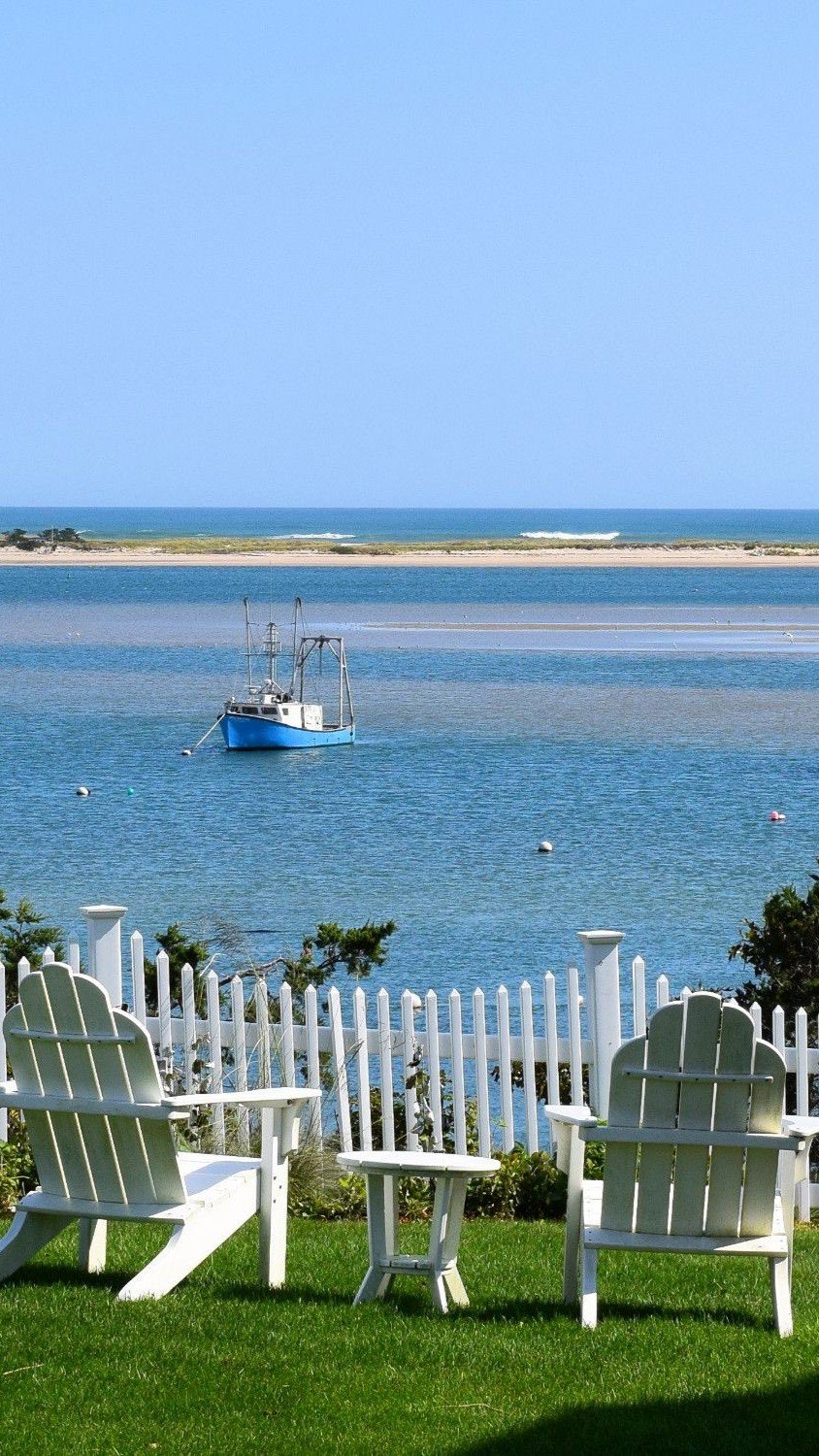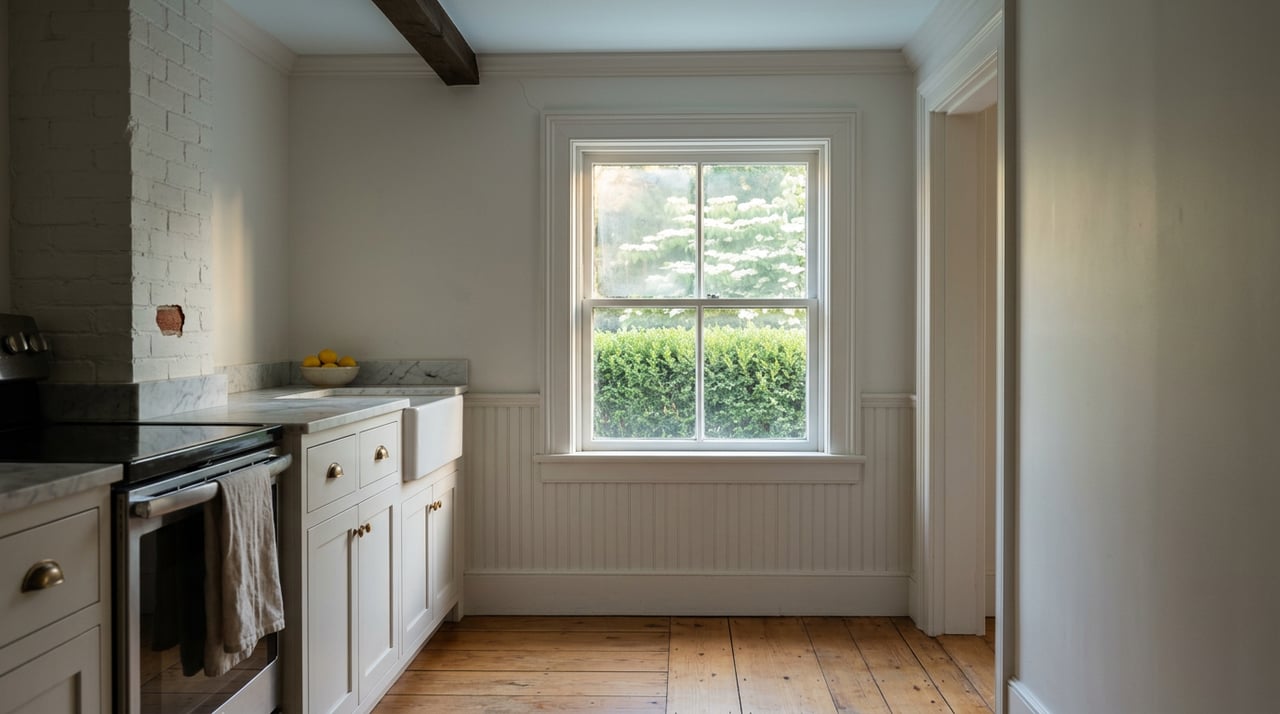
A buyer walks through a two-story cottage on Mill Street, the kind with wavy glass in the windows and a porch built for July evenings. The agent mentions the water is three blocks away, the roof was redone in 2019, and the kitchen still has its original cabinet hardware. The buyer is already running numbers in her head: weekend rate, cleaning fee, six months of bookings a year. Then she asks if the property can be listed on a short-term rental platform, and the answer isn't what she expects. It doesn't matter how charming the cottage is. What matters is whether it already holds one of a fixed, non-renewable number of permits, because as of January 2025, the town isn't issuing any more.
That single fact reorders how a cottage in this part of St. Michaels should be priced, and it rarely shows up on the listing sheet.
The Freeze Behind the For-Sale Sign
St. Michaels' Historic District covers the town's oldest core, and within it sits a smaller zone, the R-2 District, that takes in Chestnut Street, Mill Street, Water Street, and St. Mary's Square. This is where the town's historic vacation cottages cluster, small, restored, walkable-to-everything houses that have functioned as short-term rentals for years.
In September 2024, the St. Michaels commissioners introduced a resolution putting a six-month moratorium on new zoning permits or licenses for historic vacation cottages in that R-2 area. The town's Planning Commission reviewed the proposal that November and backed making it permanent, arguing the existing approach had already succeeded at protecting the district's older, smaller houses and that any future growth in cottage-style rentals should be steered to the Carpenter Street and Locust Street area instead of spreading further through R-2. On January 8, 2025, the commissioners voted unanimously to make the ban permanent. No new short-term rental permits for historic vacation cottages will be issued in that zone, full stop.
That's the headline most coverage stopped at. It's not the part that matters most to a buyer.
Eleven Licenses, No New Ones Coming
Town Administrator Rob Straebel put the number of existing, already-licensed short-term rental cottages in the R-2 zone at roughly eleven. Those eleven are grandfathered. They can keep operating. Everyone else in that historic pocket is locked out of applying, permanently, regardless of how well-restored or historically appropriate their cottage might be.
During the public hearing, Commissioner David Wojciechowski asked the obvious follow-up: do those permits transfer when the property sells? Straebel's answer is the detail every buyer in this district needs to hear before they make an offer. He told commissioners the licenses run with the land and, so long as a new owner files the right paperwork, they "can continue with the change into the ownership as long as it's the same location."
In plain terms: the license is tied to the address, not the person who currently holds it. Sell the cottage, and the new owner can keep renting it short-term, as long as the paperwork is filed correctly and the use stays legal. That makes those eleven permits function less like a business license and more like a fixed, transferable right attached to a handful of specific parcels. It's a small, closed pool in a district where demand for exactly this kind of property isn't shrinking.
Why Not Carpenter Street Instead
The town wasn't just closing a door. It was pointing toward a different one. The Planning Commission's stated intention was to concentrate future vacation-cottage activity in the Carpenter Street and Locust Street area rather than let it expand elsewhere in the historic core. That's a meaningful signal for anyone weighing where in St. Michaels to buy if short-term income matters to the plan. The R-2 pocket around Chestnut, Mill, Water, and St. Mary's Square is closed to new entrants. Other parts of town, including the corridor the Planning Commission specifically flagged, aren't subject to that same permanent restriction and follow the town's regular licensing process instead.
That distinction is easy to miss if a buyer assumes the ban covers all of St. Michaels. It doesn't. It's a zone-specific freeze, not a townwide one.
The County Is Still Moving the Furniture
The town's rule is settled. The county's is not, and that instability sits right on top of every existing license.
| Date | What happened |
|---|---|
| September 18, 2024 | St. Michaels commissioners introduce a six-month moratorium resolution on new historic vacation cottage permits in R-2 |
| November 7, 2024 | Planning Commission reviews the moratorium, recommends making it permanent |
| January 8, 2025 | Commissioners unanimously pass the permanent ban, grandfathering roughly 11 existing licenses |
| Spring through December 2025 | Talbot County Council debates Bill 1622, a broader short-term rental overhaul |
| December 2025 | Sponsors Lynn Mielke and Pete Lesher withdraw support; the bill dies before a vote, with a promise to reintroduce in 2026 |
| February 24, 2026 | Council refers a narrower zoning text amendment on STR notice requirements to the Planning Commission, 3-2 |
| August 11, 2026 | Council members Lynn Mielke and Pete Lesher move to submit a new proposed STR text amendment on licenses and the Review Board to the Planning Commission |
Talbot County already requires any short-term rental operator to hold a license, pay the Public Accommodations Tax, pass inspections covering things like smoke alarms, carbon monoxide detectors, and septic systems, and maintain a local point of contact within 30 miles who's reachable around the clock. Licenses run on a two-year renewal cycle. None of that is new or contested.
What's still unsettled is how much further the county goes. Bill 1622 would have created two tiers of short-term rental licenses before it collapsed under opposition from both neighborhood advocates and rental operators. Its sponsors haven't dropped the idea, they've said a rewritten version is coming in 2026, and the Council has kept smaller pieces moving in the meantime, from notice-radius rules in February to license and Review Board changes referred again in August. A license that's grandfathered at the town level today could still face new operating conditions at the county level before a buyer who closes this fall ever lists the property.
What a Lapsed License Actually Costs You
Here's the part that turns a regulatory footnote into a pricing question. Talbot County's general policy on short-term rental renewals is unambiguous: an application received less than 60 days before the license expires is treated as a brand-new application, subject to a full hearing before the Short-Term Rental Review Board. That's a normal enough rule almost anywhere in the county. It becomes a much bigger problem inside the R-2 district in St. Michaels, where new applications are permanently barred.
St. Michaels administers its own short-term rental licensing separately from the county, so its specific renewal timeline and what happens to a lapsed license inside a permanently closed zone isn't something to assume from the county's general rule. It's something to ask the town directly, in writing, before closing. If a license lapses and gets treated as new in a zone where new isn't an option, the eleven grandfathered permits could effectively become ten, or fewer, over time, purely through paperwork timing rather than any change in policy. That's the kind of risk that never shows up in a comparable sale and rarely gets raised until it's someone's actual closing.
Before You Write an Offer
If short-term income is part of the plan for a cottage in this district, a few questions belong in due diligence alongside the inspection and title search:
- Ask the seller for the specific STR license number and confirm directly with the Town of St. Michaels that it's active, not lapsed or under review.
- Confirm the property actually sits inside the R-2 boundary, Chestnut Street, Mill Street, Water Street, or St. Mary's Square, before assuming either the ban or the exception applies.
- Ask the town in writing what happens if a renewal is filed late, given that new licenses aren't being issued in this zone under any circumstances.
- Ask whether the license has been transferred at least once before. A documented prior transfer is the clearest evidence the process actually works as described.
- If the license can't be verified as active and transferable, price and finance the property as a residence or a standard long-term rental, not as a licensed short-term income property.
A Couple of Direct Questions
Does the ban apply to short-term rentals anywhere in St. Michaels, or just this one area? Just the R-2 district around Chestnut, Mill, and Water Streets and St. Mary's Square. Elsewhere in town, licensing follows the regular process through the town and county.
Could county-level changes still affect an existing St. Michaels license? Possibly, though indirectly. The county's own comprehensive rewrite attempt died in December 2025 and hasn't been reintroduced yet, but smaller amendments on notice requirements and license procedures have kept moving through 2026. Since St. Michaels runs its own licensing separately from the county, it's worth asking the town specifically whether any of that filters down.
Can I still buy a cottage in this district if I just want it for myself? Yes. The restriction only touches new short-term rental permitting. It doesn't limit who can buy, live in, or hold a historic cottage in the R-2 district.
A cottage's finish, its lot, its water proximity, all of that is visible on a walkthrough. What isn't visible is whether the right to rent it out has already been claimed, or whether that right could quietly expire on a filing deadline. That's exactly the kind of detail worth having a local team run down before an offer goes in, not after.
If you're weighing a historic cottage in St. Michaels and want someone to verify what's actually attached to the property before you commit, Chesapeake Bay Properties can help you get the real answer. Schedule a call and we'll walk the details with you.