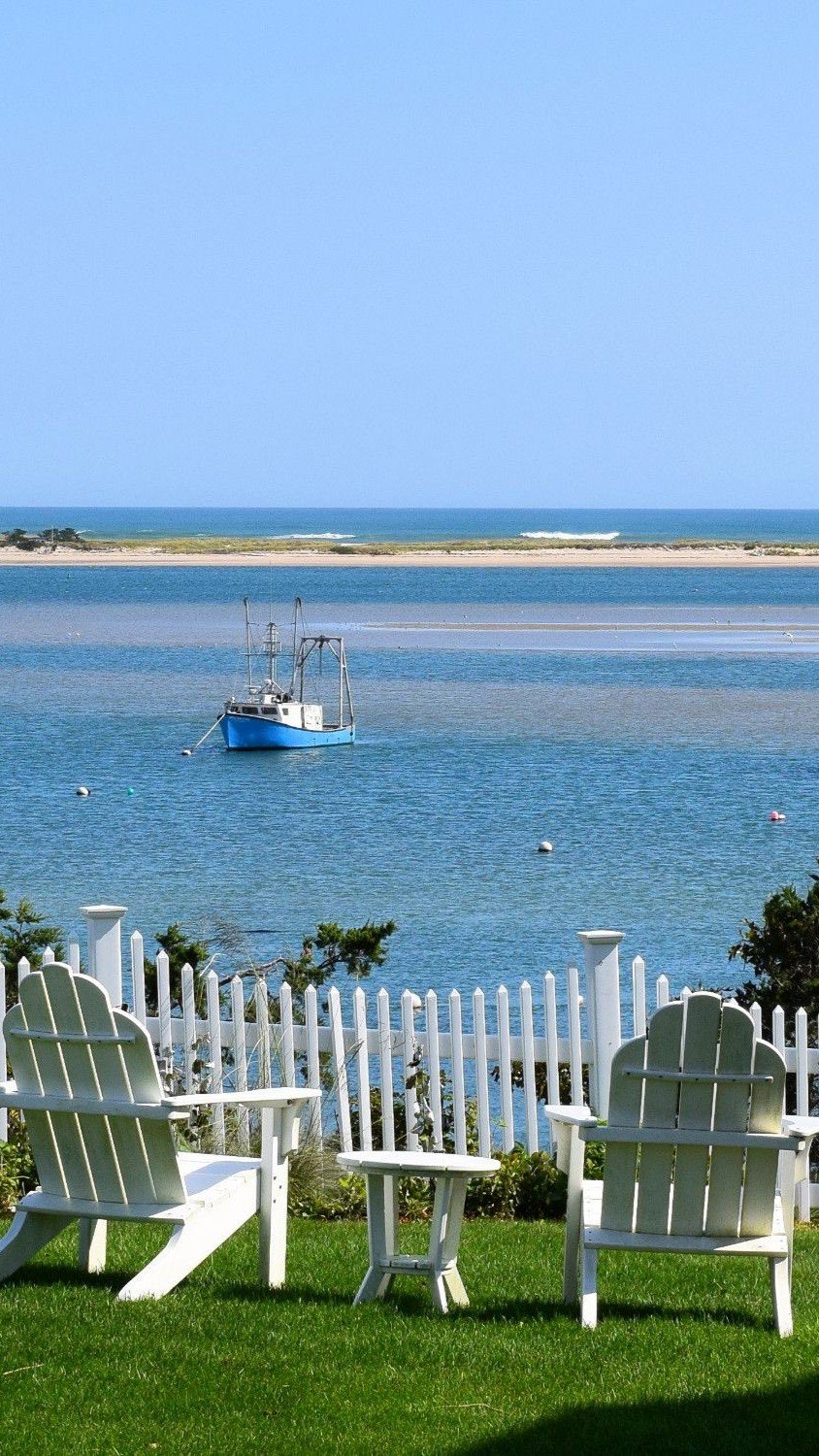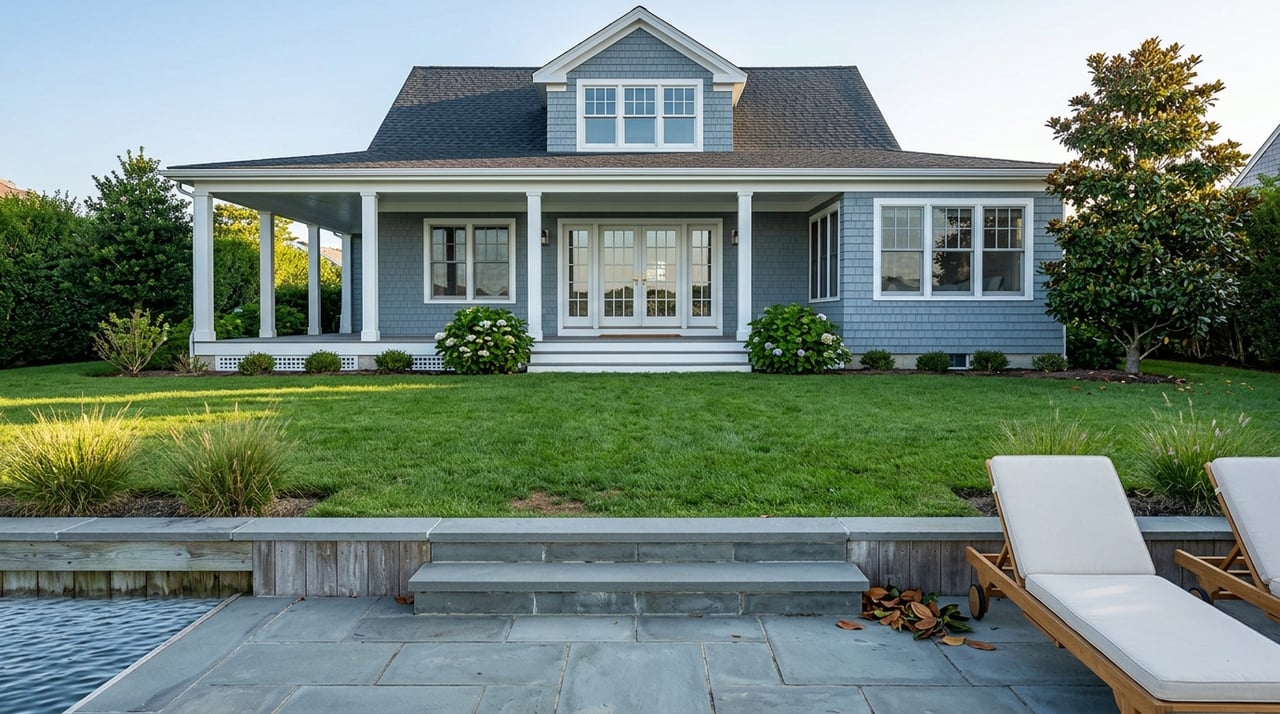
What if waterfront living felt less like a vacation plan and more like your normal Tuesday? In St. Michaels, the water is part of daily life, from harbor walks and kayak launches to seasonal events and working marinas. If you are wondering what it is actually like to live here full time or own a second home, this guide will help you picture the pace, patterns, and practical details that shape everyday life. Let’s dive in.
Waterfront Life Feels Built In
St. Michaels sits on the Miles River in Talbot County, part of Maryland’s Eastern Shore, where the county notes there are more than 600 miles of shoreline. The town is about nine miles from Easton via Route 33, which helps explain why it feels tucked along the water without feeling cut off.
This is also a small town by design and by scale. The 2020 Census profile lists 1,049 residents and 524 households, which gives St. Michaels a close-knit, lived-in feel rather than a resort that only turns on during peak season.
Its waterfront identity runs deep. The town’s history ties St. Michaels to shipbuilding, oystering, and crabbing, and that background still shapes the atmosphere today. You are not just looking at water views here. You are living in a place where the harbor has long been part of how the town works.
Daily Access to the Water
One of the biggest draws of everyday waterfront living in St. Michaels is that you do not need to own a boat to enjoy the harbor. The town maintains a compact network of parks and access points that make the shoreline part of regular life.
Muskrat Park and Hollis Park both sit on Town Harbor, offering easy places to pause, walk, or watch boats come and go. Back Creek Park looks onto San Domingo Creek and includes a pier and kayak launch ramp, which adds another layer of casual access for residents who like to get on the water without much planning.
Seymour Avenue Waterfront Park has its own role in the local rhythm too. It is known as a place to watch the Wednesday night sailboat races, which says a lot about how the town uses its waterfront. The harbor is not only scenic. It is social.
For non-boaters, the St. Michaels Nature Trail adds another everyday option. The 1.3-mile route crosses San Domingo Tidal Creek by covered bridge and gives you a simple, built-in way to spend time near the water on foot or by bike.
Walkable Harbor, Working Waterfront
St. Michaels has a waterfront that feels easy to use. The town notes that harbor amenities are within walking distance along the water’s edge, and that walkability matters if you want a place where daily errands, dinner plans, and waterfront views can overlap.
At the same time, this is not a waterfront that exists only for postcards. The comprehensive plan describes a commercial waterfront area that includes marinas, a fuel dock, a boatyard, restaurants, inns with docks and landings, and ongoing business activity from watermen.
That blend is a big part of the appeal. You get a town that welcomes visitors and boaters, but still keeps the character of a working harbor. For many buyers, that creates a more grounded and authentic sense of place.
Boating Is Part of the Routine
If you already own a boat or hope to in the future, St. Michaels offers practical infrastructure that supports that lifestyle. The town’s getting-here information notes public dockage on the harbor and a free floating dinghy dock, which reflects how central water access is to the community.
Maryland DNR lists both St. Michaels Marina and the Chesapeake Bay Maritime Museum as certified clean marinas in town. The St. Michaels Marina listing notes more than 50 transient slips, along with amenities like a pool, showers, restaurants, and a ship’s store.
The Chesapeake Bay Maritime Museum slip listing adds that its slips are about a five-minute walk from town dining and shopping. For buyers comparing waterfront towns, that kind of access can make day-to-day boating much easier and more enjoyable.
Every Season Has a Waterfront Rhythm
St. Michaels is not just a summer town. The town’s weather information says the area experiences all four seasons, and the water helps buffer some storms and temperature extremes. That seasonal range gives the town a year-round pattern rather than a single-peak lifestyle.
Spring Brings the Town Outside
Spring marks the return of many of the town’s regular gatherings. The official annual-events page says the farmers market runs on Saturdays from April through November, which adds a reliable weekly routine for residents and second-home owners alike.
This is also the season when parks, trails, marinas, and harbor spaces start to feel fully active again. If you picture everyday life here, spring is when the waterfront starts pulling people outdoors more consistently.
Summer Centers on Boating and Music
In summer, the waterfront becomes even more social. Summer Concerts in the Park run Thursday nights from May through August, creating a simple community tradition that fits naturally into the week.
The July 4 celebration adds waterfront fireworks and Big Band Night at the Chesapeake Bay Maritime Museum. The CBMM Antique & Classic Boat Festival also lands on Father’s Day weekend and is described by the town as one of the largest classic boat shows in the Mid-Atlantic.
Fall Keeps the Momentum Going
In many waterfront towns, activity fades quickly after summer. St. Michaels keeps a strong fall identity. The St. Michaels Business Association highlights October traditions such as pumpkin and scarecrow contests, oyster and beer gardens, and other downtown events.
That matters if you are considering a full-time move or a second home that you will use beyond peak boating season. The town still gives you reasons to be out, involved, and connected.
Winter Feels Festive, Not Empty
Winter brings a different pace, but not an absent one. The annual-events calendar says Christmas in St. Michaels includes the Talbot Street Parade and a Lighted Boat Parade along St. Michaels Harbor, with townwide holiday decorations adding to the atmosphere.
CBMM’s festival calendar also stretches through the colder months with events such as Winter on the Chesapeake. In practical terms, that helps support the idea that waterfront living here is not only about warm-weather weekends.
Housing Reflects the Town’s History
If you are exploring homes in St. Michaels, the housing stock tells an important part of the story. According to the town’s comprehensive plan, housing is made up primarily of single-family residences on lots of 7,200 square feet or less.
The same plan notes that 357 housing units were built before 1939. That helps explain why so many homes in town feel character-rich and tied to the street pattern and scale of an older Eastern Shore community.
This is not a market defined by large new subdivisions. The town is essentially fixed within its current boundaries, with only limited infill and vacant lots. For buyers, that often means available inventory can feel more unique, but also more limited.
Historic Rules Matter for Buyers
In St. Michaels, history is not only a backdrop. It can affect your home search and your plans after closing. The Historic District Commission says the district was created in 1972 to protect buildings, sites, public ways, and views.
The commission reviews most exterior architectural changes, additions, new construction, and demolition. If you are considering a home in the historic core or nearby areas, that review process is an important practical detail to understand early.
For some buyers, that oversight is part of the appeal because it helps preserve the town’s visual character. For others, it is a reminder that renovations may involve additional steps. Either way, it is worth factoring into your decision-making.
Year-Round Community With Seasonal Layers
A common question about St. Michaels is whether it feels like a real town outside peak visitor months. The numbers suggest a mix that supports both year-round living and seasonal ownership.
The 2020 Census profile shows 725 housing units, with 58.4% owner-occupied and 41.6% renter-occupied. It also shows that 18.6% of housing units are used for seasonal, recreational, or occasional use.
That points to a community with a steady local base, plus a meaningful second-home presence. If you are looking for a place that stays active while still having a seasonal waterfront rhythm, St. Michaels fits that description well.
What Buyers Should Keep in Mind
St. Michaels often appeals to buyers who want more than a house near the water. They want a town where the harbor, parks, events, and housing stock all work together to create a lifestyle.
It is also a market where local context matters. The comprehensive plan notes that home prices are generally higher than in comparable Eastern Shore towns, with a 2022 median residential sales price of $539,495, and it estimates 2025 rents at more than $2,000 per month.
That does not make St. Michaels one-size-fits-all. It does mean buyers benefit from a clear strategy, especially when comparing historic homes, in-town properties, second homes, or waterfront opportunities with different access and maintenance considerations.
Why St. Michaels Stands Out
What makes everyday waterfront living in St. Michaels different is the balance. You have public access to the shoreline, a walkable harbor, boating infrastructure, a working waterfront, and a seasonal calendar that keeps the town engaged throughout the year.
You also have a housing market shaped more by history and place than by outward expansion. For many buyers, that is exactly the point. St. Michaels offers waterfront living that feels rooted, usable, and deeply connected to the Eastern Shore.
If you are thinking about buying or selling in St. Michaels, working with a team that understands waterfront property, historic homes, and the nuances of Eastern Shore living can make the process feel much more manageable. Chesapeake Bay Properties can help you navigate the market with local insight and responsive guidance.
FAQs
What is everyday waterfront living like in St. Michaels?
- Everyday waterfront living in St. Michaels often means easy access to harbor parks, trails, marinas, waterfront events, and walkable shoreline areas that are part of normal daily routines.
Is St. Michaels a walkable waterfront town?
- Yes. The town says harbor amenities are within walking distance on the water’s edge, and its parks and trail network make it easy to enjoy the waterfront without needing a boat.
Are there public waterfront access points in St. Michaels?
- Yes. Town parks such as Muskrat Park, Hollis Park, Back Creek Park, and Seymour Avenue Waterfront Park provide public access to waterfront views and activity, and Back Creek Park includes a kayak launch ramp.
Is St. Michaels only busy during summer?
- No. Official event calendars show activity across the year, including spring farmers markets, summer concerts, fall festivals, and winter holiday traditions like the Lighted Boat Parade.
What kinds of homes are common in St. Michaels?
- The town’s comprehensive plan says the housing stock is primarily single-family homes on relatively small lots, with many older homes and a large number of units built before 1939.
Do historic district rules affect homes in St. Michaels?
- Yes. In the historic district, most exterior changes, additions, new construction, and demolition are reviewed by the Historic District Commission.
Is St. Michaels a year-round community or a second-home market?
- It is both. Census data shows a year-round resident base along with 18.6% of housing units used for seasonal, recreational, or occasional use.