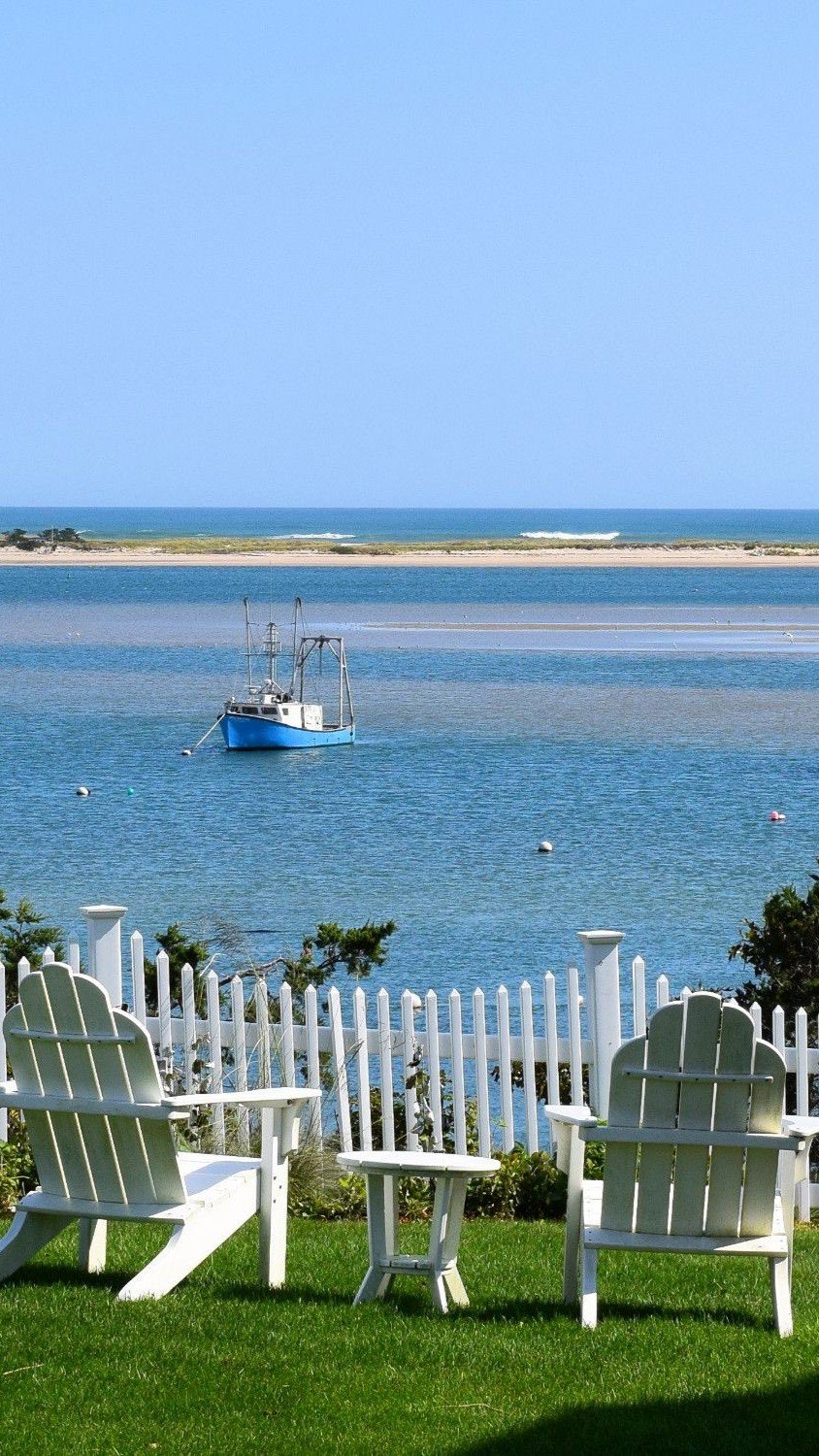
Are you picturing sunrise coffee by the water, a private dock, and easy access to the Choptank? Buying a waterfront home in Cambridge can absolutely deliver that lifestyle, but it also comes with details that matter more here than they do on an inland property. If you understand the shoreline, overlays, and boating realities before you buy, you can make a more confident decision and avoid surprises later. Let’s dive in.
Why Cambridge waterfront stands out
Cambridge offers a waterfront setting that feels both scenic and active. Along the Choptank River and Cambridge Creek, you will find maritime activity, tourism, parks, marinas, dining, and public access all woven into the local landscape.
That mix gives buyers real choices. You may prefer an in-town property with a more walkable setting, or you may lean toward a quieter parcel outside the busiest parts of the waterfront. In either case, the exact address matters because waterfront conditions and local rules can change from lot to lot.
Start with the exact parcel
A waterfront home in Cambridge is never just about the view. The city applies several overlay districts in waterfront-adjacent areas, including the Mixed-Use Waterfront Overlay District, Historic Area Overlay District, and Floodplain Overlay District.
That means two nearby homes can come with very different rules and future options. Before you get too attached to a property, confirm which overlays apply and how they could affect your use of the home, future improvements, and shoreline work.
Check the shoreline type first
One of the biggest questions for any Cambridge waterfront purchase is simple: what kind of shoreline is already there? You may see bulkheads, riprap, revetments, stone sills, living shorelines, or hybrid systems, and each can come with a different maintenance path and permitting process.
Maryland treats living shorelines as the preferred method of shore protection in many situations. That does not mean every property will be suited for the same approach, but it does mean future repair or replacement plans may need to follow a specific regulatory path.
You should also ask who maintains the shoreline improvements and what condition they are in today. A beautiful lot can still carry future costs if erosion control features are aging or if the current setup limits what can be done later.
Understand docks, piers, and boat lifts
For many buyers, the dock is the main event. But with waterfront property, the better question is not just whether a dock exists, but whether it is legal, functional, and aligned with your plans.
Maryland notes that pier projects can involve local, state, and federal review, and local setbacks can apply. Pier size is also regulated, and Dorchester County permit guidance lists piers and other structures as permit-triggering work.
If you want to add a boat lift, expand a pier, repair a bulkhead, or make other waterside changes after closing, do not assume it will be simple. In Maryland, most construction, demolition, or repair work in, on, or under tidal wetlands must be handled by a licensed marine contractor, including work involving docks, piers, bulkheads, and shoreline erosion controls.
Boating access is a lifestyle question
Cambridge has strong public water access for a city its size, and that says a lot about how central boating is to daily life here. The Cambridge Municipal Yacht Basin sits near the mouth of Cambridge Creek on the Choptank River, and Great Marsh Park offers a boat launch and fishing piers. The city also lists public boat launches at Franklin Street, Trenton Street, and Great Marsh Park.
The municipal basin reports a maximum depth of 13 feet, which gives useful context for local boating activity. Still, private waterfront due diligence is different from public marina depth. You will want to verify the specific depth at the property, tide exposure, and how practical the site is for the type of boating or paddling you actually plan to do.
Floodplain status matters early
Floodplain review should happen at the beginning of your search, not near the end. Cambridge has a Floodplain Overlay District, and development in mapped 100-year floodplains must be permitted in a way that does not increase flooding or create dangerous conditions.
Depending on the property, structures may need to be elevated, and an elevation certificate may be required. Even if the home works well for your needs today, floodplain status can affect insurance, renovation plans, and how future work is handled.
Because Cambridge is also pursuing active flood-mitigation and shoreline-resilience work, it is smart to view the waterfront as an evolving environment. Public investment in resilience is important, but it also reinforces that shoreline conditions and planning priorities are not static.
Know the Critical Area rules
Critical Area regulations are another major piece of Cambridge waterfront ownership. The city maintains a Critical Area Overlay District that includes tidal waters, tidal wetlands, and land within 1,000 feet landward of certain wetland and tidal features.
State rules also require a minimum 100-foot vegetated buffer next to tidal waters, tidal wetlands, and tributary streams. For buyers, this can affect what is possible later if you want to adjust landscaping, add features, or make site changes near the shoreline.
This is one reason waterfront buyers benefit from asking improvement questions before they buy, not after. A lot may feel spacious, but buffer and overlay rules can shape how much of that space is truly usable for future projects.
Historic overlay can affect exterior changes
Some Cambridge waterfront homes fall within the Historic District, and that can add another layer of review. The city’s Historic Preservation Commission must review exterior alterations in the Historic District, including changes that are not visible from the street or water.
That detail surprises many buyers. If you are considering a historic home or an in-town waterfront property, confirm whether the parcel is inside the Historic Area Overlay before you assume exterior updates will be straightforward.
This does not make a property less appealing. It simply means your buying decision should account for the review process if you hope to change windows, siding, roofing, additions, or other exterior elements in the future.
Compare in-town and secluded settings
Cambridge waterfront is not one single experience. An in-town location may place you closer to parks, marinas, dining, and public access, which can be a great fit if you want a more connected, active lifestyle.
A more outlying Dorchester County setting may offer a different feel, with a more open and private environment. Dorchester County planning has long emphasized preserving rural, open character outside growth areas, so buyers looking for a secluded setting may want to compare those properties carefully against in-town options.
Views matter here too, especially if sunsets are high on your list. Because the waterfront runs along both the Choptank River and Cambridge Creek, sightlines, neighboring structures, and horizon openness can vary widely from one parcel to the next.
Ask these questions before you buy
When you tour waterfront homes in Cambridge, bring a due-diligence mindset. A few practical questions can help you narrow in on the right fit.
- What type of shoreline is in place today?
- Who maintains the shoreline improvements?
- Is the dock or pier permitted as it currently exists?
- What overlay districts apply to the property?
- Is the home in the floodplain?
- Is the parcel within the Critical Area Overlay?
- Is the property in the Historic Area Overlay?
- If you want future improvements, what approvals may be needed?
- Would the work require a licensed marine contractor?
- How usable is the water access for your actual boating or paddling plans?
These questions do more than protect you from surprises. They also help you focus on properties that truly match the way you want to live on the Eastern Shore.
A smart waterfront purchase starts with local guidance
Buying waterfront in Cambridge is exciting, but it is rarely a plug-and-play purchase. Shoreline condition, dock status, floodplain rules, Critical Area regulations, and historic review can all shape the long-term value and enjoyment of the property.
That is why local knowledge matters so much here. When you understand the parcel, the water access, and the regulatory landscape before you buy, you can move forward with more clarity and far less stress.
If you are exploring waterfront homes in Cambridge or anywhere on the Eastern Shore, the team at Chesapeake Bay Properties can help you evaluate the details that matter and find a property that fits your goals.
FAQs
What should you check first when buying a waterfront home in Cambridge?
- Start with the exact parcel, including shoreline type, dock status, floodplain status, and whether the property falls within Cambridge overlay districts such as the Critical Area, Historic Area, or Floodplain overlays.
What shoreline types might you see on Cambridge waterfront property?
- You may find living shorelines, riprap, revetments, bulkheads, stone sills, and other shoreline protection systems, each with different maintenance and permitting considerations.
What do Cambridge buyers need to know about docks and piers?
- Dock and pier work can involve multiple layers of review, local setbacks may apply, pier size is regulated, and future work may require permits and a licensed marine contractor.
Why does floodplain status matter for a Cambridge waterfront home?
- Floodplain status can affect permitting, elevation requirements, future improvements, and the documents needed for the property, including possible elevation certificates.
How do Critical Area rules affect Cambridge waterfront property?
- Critical Area rules can limit or shape future site changes because they apply to tidal waters, wetlands, and nearby land, including required vegetated buffer areas.
What should buyers know about Cambridge historic waterfront homes?
- If a waterfront home is within the Historic District, exterior changes may require review by the Historic Preservation Commission, even when those changes are not visible from the street or water.
Is Cambridge good for boating and paddling access?
- Cambridge has strong public water access infrastructure, including the Municipal Yacht Basin, Great Marsh Park boat launch, fishing piers, and public launches at Franklin Street, Trenton Street, and Great Marsh Park.